
The Story of the Paperweight
Station ElevenA small glass object passes from one life to another, making memory tangible across the Collapse.
increasing Bearing strength in each event
 decreasing
Bearing strength in each eventdecreasingClark’s Gift
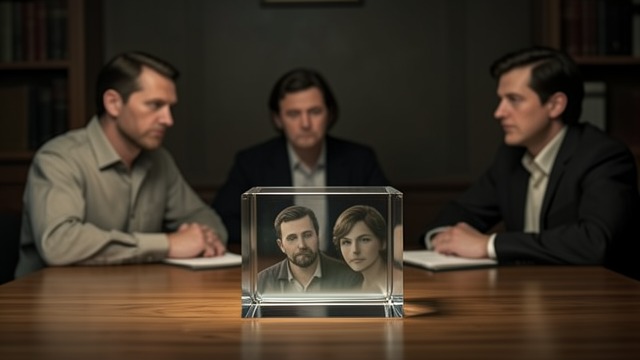
Clark’s Gift
A thoughtful present
Clark brings Arthur and Miranda a clouded-glass paperweight from a museum shop in Rome. The object is attractive but not important to the dinner’s guests.
A quiet connection
The gift reflects Clark’s friendship with Arthur and his considerate place in the household. It becomes more meaningful after the people around it separate.
Miranda Keeps It

Miranda Keeps It
An object taken in departure
Miranda finds the paperweight in Arthur’s study and carries it into her own workspace. She tells herself she wants it to draw, but knows she wants to keep it.
A private inheritance
The object becomes part of the life she is preparing to leave. It holds no obvious practical use, but its beauty matters precisely because it is not useful.
Return to Arthur

Return to Arthur
A meeting at the theatre
Miranda sees Arthur in Toronto and realizes that she still has Clark’s paperweight. She sends it back by courier, along with the Station Eleven comics.
A gesture without expectation
Miranda means to correct an old mistake rather than reopen the marriage. The returned object carries the history of their shared home without claiming that they can return to it.
Tanya Receives It
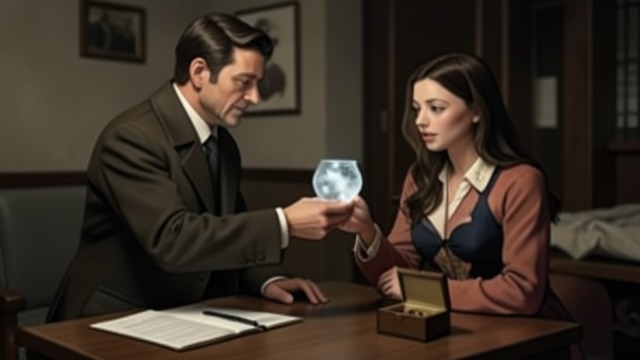
Tanya Receives It
A gift passed onward
Arthur gives the paperweight to Tanya, who admires the clouded glass. He does not want more possessions and is glad to give the object away.
A small act of generosity
The exchange sits beside Arthur’s offer to pay Tanya’s student loans. He tries to make money and objects serve another person before his life ends.
Kirsten Carries It
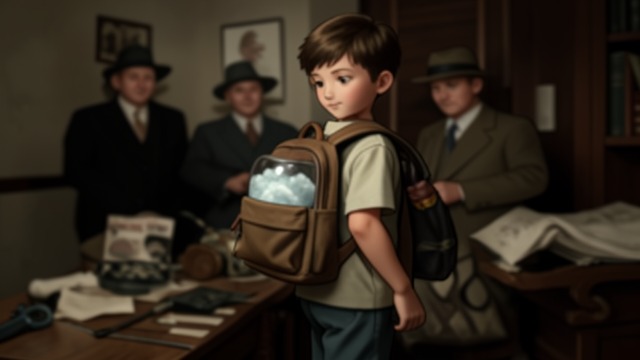
Kirsten Carries It
Beauty without use
Kirsten keeps the paperweight in her child-sized backpack even though it adds weight and has no practical purpose. She remembers receiving it before the world changed.
A connection outlasts explanation
The object links Kirsten to Tanya, Arthur, Miranda, and Clark without requiring her to understand all their relationships. Its continued presence is a compact form of survival through memory.
The Los Angeles dinner party
The night after the dinner party
Two weeks before the Collapse
Arthur’s final afternoon
Year Twenty, on the road with the Symphony
